RAID 10 Data Recovery
Recover your striped and mirrored array data with expert precision
- Free DiagnosticsNo-obligation quote
- No Data, No FeeWhere applicable
- 7–10 Working DaysEmergency from 12 hours
5 Highlights on RAID 10 Data Recovery
RAID 10 data recovery is a specialised discipline that demands deep knowledge of both mirrored and striped array architectures working together.
Dual-layer complexity handled
RAID 10 combines disk mirroring and data striping, creating a hybrid array that demands specialised recovery techniques. Our team extracts data from both mirrored pairs and striped sets simultaneously.
Multiple drive failure recovery
Your RAID 10 array can survive one drive failure per mirrored pair. When more drives fail, we reconstruct the array using advanced metadata analysis and mirror rebuilding techniques across the remaining healthy disks.
Server and NAS expertise
We recover RAID 10 configurations from Dell PowerEdge servers, enterprise NAS devices, and custom-built storage systems. Our engineers work with hardware and software RAID controllers daily.
No data, no fee
Every RAID 10 recovery starts with a free evaluation. You receive a detailed diagnostic report and fixed-price quote before any work begins. Where applicable, we charge nothing if we can't recover your files.
Fast turnaround available
Critical business data can't wait. Our emergency RAID 10 data recovery service delivers results within 12 to 72 hours depending on complexity.
Talk to a RAID 10 recovery engineer
If your RAID 10 array has failed or become inaccessible, our engineers are available to review your situation and advise on next steps.
Why Choose Our RAID 10 Data Recovery
RAID 10 data recovery requires understanding both striping and mirroring architectures working together. R3 Data Recovery brings over two decades of hands-on experience with complex array configurations. Our 10 specialist engineers train continuously on emerging storage technologies.
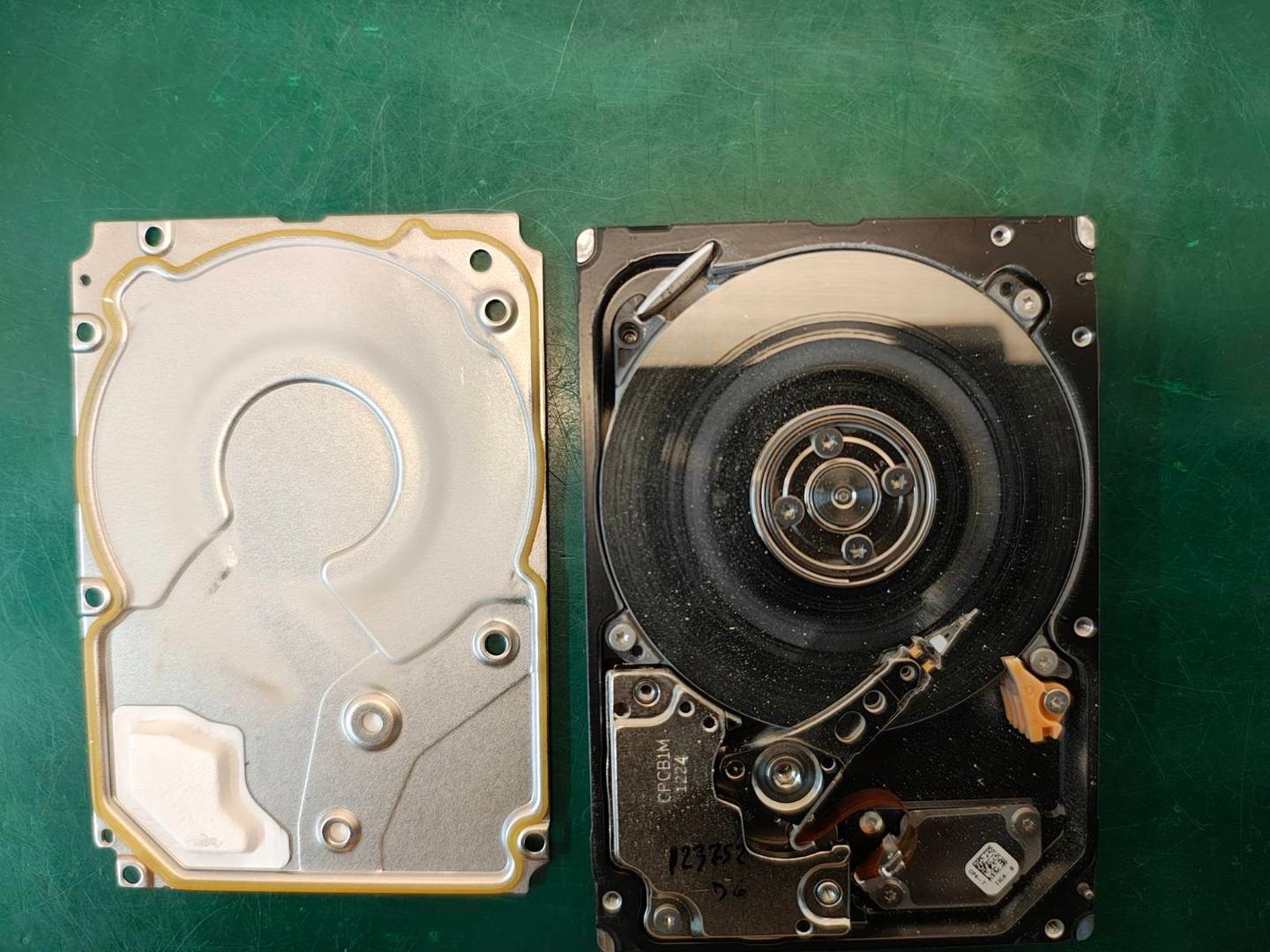
We operate an ISO Class 3 cleanroom facility for physical drive repairs. Dust particles smaller than a human hair can destroy platters. Our controlled environment ensures safe handling of sensitive hard drive components during the recovery process.
Your data stays protected throughout. We maintain 24-hour on-site security, restricted access controls, and all data remains within the UK — we never outsource and never send drives abroad.
The R3 team has recovered RAID 10 arrays from crashed servers, failed controllers, and corrupted configurations. We've handled cases where other firms said recovery wasn't possible. With 50,000+ successful recoveries across all media types and 10,000+ donor drives in stock, we have the resources to tackle even the most complex RAID 10 failures.
You'll work with a dedicated technician who explains each step clearly. No confusing jargon. No surprise fees. Just straightforward communication from evaluation through final data delivery.
Signs You Need RAID 10 Data Recovery
RAID 10 arrays can fail in ways that catch users off guard. Recognising these warning signs early gives you the best chance of successful data retrieval.
Array shows degraded status
Your RAID controller reports a degraded array when one drive in a mirrored pair fails. The system continues operating, but you've lost fault tolerance. A second failure in the same pair means immediate data loss. Don't wait for the rebuild to fail.
Multiple drives failed simultaneously
Power surges, controller malfunctions, and firmware bugs can knock out several drives at once. When drives from different mirrored pairs fail together, your RAID 10 goes offline completely. This scenario requires professional RAID 10 recovery to reconstruct the striped data across remaining disks.
Rebuild process keeps failing
You replaced the failed drive and started a rebuild. Hours later, another drive fails under the stress. Aging drives in the same array often fail in sequence. Each failed rebuild attempt risks further data corruption. Stop the rebuild and contact a RAID recovery specialist.
Server won't boot or recognise array
The RAID controller can't detect your array configuration. This happens after firmware updates, controller replacements, or metadata corruption. Your data still exists on the drives, but the system can't interpret the RAID 10 structure without proper configuration information.
Files missing or corrupted after controller swap
You replaced a failed RAID controller with a different model. Now files appear corrupted or entire volumes are missing. Different controllers write metadata differently. The new hardware misinterprets your RAID 10 layout, scrambling the stripe order and mirror relationships.
Our RAID 10 Data Recovery Process
RAID 10 data recovery at R3 follows a structured methodology designed to maximise success rates whilst protecting your original media.
- 1
Free collection and intake
We arrange secure courier pickup from anywhere in the UK — within 60 minutes for emergencies. Alternatively, use our free shipping label or drop off at our Sheffield lab. Your drives arrive logged and tracked throughout transit.
- 2
Diagnostic evaluation
Our engineers examine each disk in your RAID 10 array without charge. We assess drive health, identify failure causes, map the array configuration, and determine recovery feasibility. You receive a detailed report and file list via our proprietary R3 File List Viewer showing what we can retrieve. You can also identify your priority files so our engineers target what matters most to you first.
- 3
No-obligation quote
Based on our findings, we provide transparent, fixed pricing. You'll know the exact cost before authorising any recovery work. No hidden charges appear later.
- 4
Data extraction
Once approved, we create sector-by-sector forensic images of every drive in our ISO Class 3 cleanroom — all recovery work is performed on these copies, never your originals. With 300TB of daily imaging capacity, our software analyses stripe sizes, block orders, and mirror relationships. We rebuild the virtual RAID 10 structure using recovered metadata and pattern recognition algorithms.
- 5
Verification and return
Every recovered file undergoes integrity checking. You review the recovered files against our file list. Satisfied customers receive their data on a new external drive or via secure download. We retain copies for 10 days for your peace of mind, then perform secure destruction.
Brands We Work With
RAID 10 data recovery requires familiarity with diverse hardware manufacturers and their proprietary configurations. R3 Data Recovery maintains expertise across all major brands.
- DellPowerEdge servers and PERC controllers
- HP EnterpriseProLiant systems with Smart Array controllers
- LenovoThinkSystem servers and enterprise storage
- SynologyNAS devices using DSM configurations
- QNAPEnterprise NAS with QTS systems
- Western DigitalRed Pro and Ultrastar drives
- SeagateIronWolf and Exos enterprise disks
- LSIMegaRAID controllers
- AdaptecHardware RAID adapters
- IntelVROC and onboard RAID solutions
We maintain over 10,000 donor drives and spare parts for these manufacturers, reducing turnaround times when component swaps become necessary. Our engineers work with proprietary technologies daily.
Your drives stay safe in our ISO Class 3 cleanroom throughout the RAID 10 recovery process.
RAID 10 Data Recovery Questions
Common questions about recovering data from failed and degraded RAID 10 striped and mirrored arrays.
What makes RAID 10 different from other RAID levels?
How long does RAID 10 data recovery take?
Can you recover data if multiple drives failed?
Does the recovery process risk further damage?
How much does RAID 10 data recovery cost?
Can you recover from a failed RAID controller?
Other RAID Recovery Services
- RAID 0 Data RecoveryRAID 10 builds on RAID 0's striping foundation, adding a mirror beneath each stripe for redundancy. When both halves of a mirror pair fail, the surviving stripe data requires the same block-level reconstruction used for pure RAID 0 arrays.
- RAID 1 Data RecoveryEach mirrored pair in a RAID 10 is a standalone RAID 1 set. When mirror synchronisation breaks or both halves of a pair fail, the recovery process draws on the same techniques used for dedicated RAID 1 arrays.
- RAID 5 Data RecoveryRAID 5 distributes parity across more drives to maximise usable capacity — the inverse of RAID 10's mirror-per-stripe approach. When organisations run both on the same controller or migrate production data between the two, failures in one configuration often prompt evaluation of the other.
Ready to Recover Your RAID 10 Array?
Contact our RAID 10 recovery specialists for a free assessment and no-obligation quote. We're available 24/7 to help.
Looking for general RAID recovery? View our RAID Data Recovery service